

Understanding the Concepts of Luck and Skill
In the realm of casinos, the interplay between luck and skill is pivotal to the gambling experience and outcomes, especially when players explore options like casino online nz that offer various games. Luck is often defined as the unpredictable force that can influence events in ways that are beyond one’s control. In contrast, skill refers to the knowledge and expertise that a player can apply to maximize their chances of winning. Understanding these two concepts allows players to approach games with a clearer strategy and expectation, enhancing their overall engagement with casino activities.
Many casino games, such as slots, are predominantly based on luck. Players have no control over the outcome once they press the spin button, as it relies on random number generators. On the other hand, games like poker and blackjack involve a level of skill where players can make decisions that significantly impact their success rates. This distinction is crucial, as it sets the stage for how individuals can prepare themselves mentally and strategically for various casino games.
While luck can swing the balance at any moment, the successful gambler understands the importance of skill, particularly in games that allow for strategy. This understanding has led to the development of numerous strategies and techniques that players can implement. This blend of luck and skill not only contributes to the excitement but also to the challenge of casino gaming, enticing individuals to engage deeply with the process of gambling.
The Influence of Luck in Casino Games
Luck is the foundation of many popular casino games, dictating outcomes in ways that often surprise players. In games such as roulette and slot machines, the results are purely randomized, making it impossible for players to predict what will happen next. This element of chance can lead to thrilling wins, but it can also result in significant losses, illustrating the volatile nature of games built heavily on luck.
The unpredictability of luck serves a dual purpose in the casino environment. It enhances the thrill for players, generating excitement that keeps gamblers returning for more. The prospect of hitting a jackpot or winning a significant hand based purely on fortune provides an adrenaline rush that draws individuals into these gaming experiences. However, relying solely on luck can often lead to frustration, especially when outcomes do not align with players’ hopes.
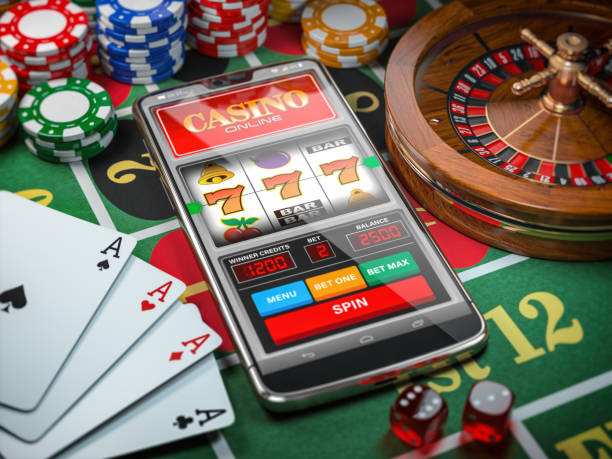
Certain strategies claim to improve luck, such as choosing specific times to play or favoring particular machines. However, these claims often lack substantial evidence. The reality is that luck can’t be controlled or influenced in measurable ways. Understanding this can help players manage their expectations and approach gambling as a form of entertainment rather than solely a means to make money, allowing them to enjoy the experience without undue stress.
The Role of Skill in Strategy-Based Games
Skill plays a significant role in many casino games, particularly those that involve an element of strategy such as poker, blackjack, and baccarat. In these games, players are given the opportunity to analyze situations, make decisions, and apply strategies that can greatly influence the outcome. For instance, a skilled poker player may use their knowledge of probabilities and human behavior to outperform less experienced opponents consistently.
In blackjack, understanding the basics of card counting or strategies like basic strategy charts can tip the odds in favor of the player. By assessing the dealer’s upcard and making informed decisions about hitting or standing, players can minimize the house edge. This skill-based approach contrasts sharply with purely luck-driven games, empowering players to feel more in control of their outcomes and making their gameplay experience more rewarding.
The benefits of skill extend beyond just winning; they also foster a sense of accomplishment. Players who invest time in learning strategies experience personal growth, developing critical thinking and decision-making skills through their gambling activities. This adds depth to their interaction with casinos, turning gaming into a mentally stimulating experience rather than simply a game of chance.
The Balance Between Luck and Skill in Winning
Winning in a casino often requires a delicate balance between luck and skill. While luck can bless players with unexpected wins, skill is what helps them manage their bankroll, make informed decisions, and potentially capitalize on favorable situations. Understanding how each element contributes to the overall outcome is essential for gambling responsibly and effectively.

For instance, even the most skilled player can still lose due to bad luck on a given day. Conversely, a novice might stumble into a win purely because fortune smiled upon them. This duality is what makes casinos captivating; players must learn to navigate the whims of luck while honing their strategic skills to improve their chances over time. This blend of unpredictability and control keeps the gaming experience dynamic and exciting.
The importance of mental approach also plays a role in this balance. Players who understand that they cannot rely solely on luck are more likely to apply their skills effectively. Setting realistic goals and acknowledging the role of chance can prevent frustration and promote a healthier gambling mindset. Ultimately, those who embrace both elements are more likely to enjoy their experience, regardless of the immediate outcomes.
The Importance of Responsible Gambling
As players engage with both luck and skill in the casino environment, adopting responsible gambling practices is crucial. Awareness of one’s limits and understanding the nature of luck versus skill can lead to healthier gambling habits. Setting budgets, knowing when to walk away, and recognizing the signs of problem gambling are essential steps for anyone involved in this activity.
By fostering a responsible gambling mindset, players can appreciate the entertainment value of casino games without falling into the trap of chasing losses or relying on gambling as a primary source of income. Casinos often encourage this approach through various programs and resources aimed at promoting healthy gaming behavior. The more players are educated about the balance of luck and skill, the better they can navigate their gaming experiences.
Ultimately, successful gambling is not solely based on winning but on the enjoyment and experiences gained from the process. Whether one approaches the tables with a strategy or merely hopes for a lucky streak, embracing responsible practices ensures that gambling remains a pleasurable pastime rather than a source of stress or financial hardship. Casinos thrive on this balance, offering games that cater to both luck and skill, thereby attracting a diverse audience.